Art can sometimes say what words cannot.
Art therapy uses creative processes to help people explore their experiences, emotions and relationships. You don’t need to be artistic, and you don’t need to know how to draw.
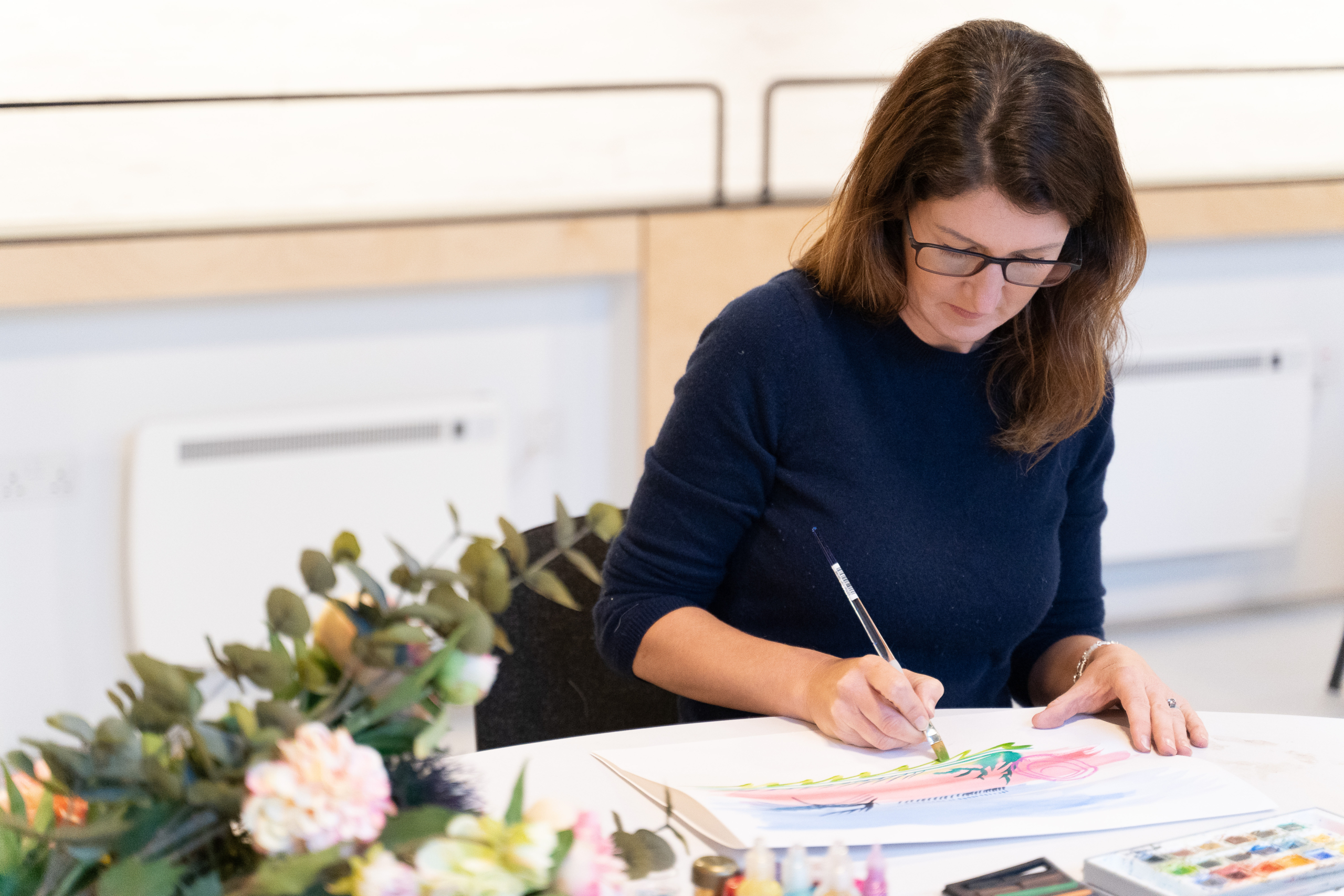
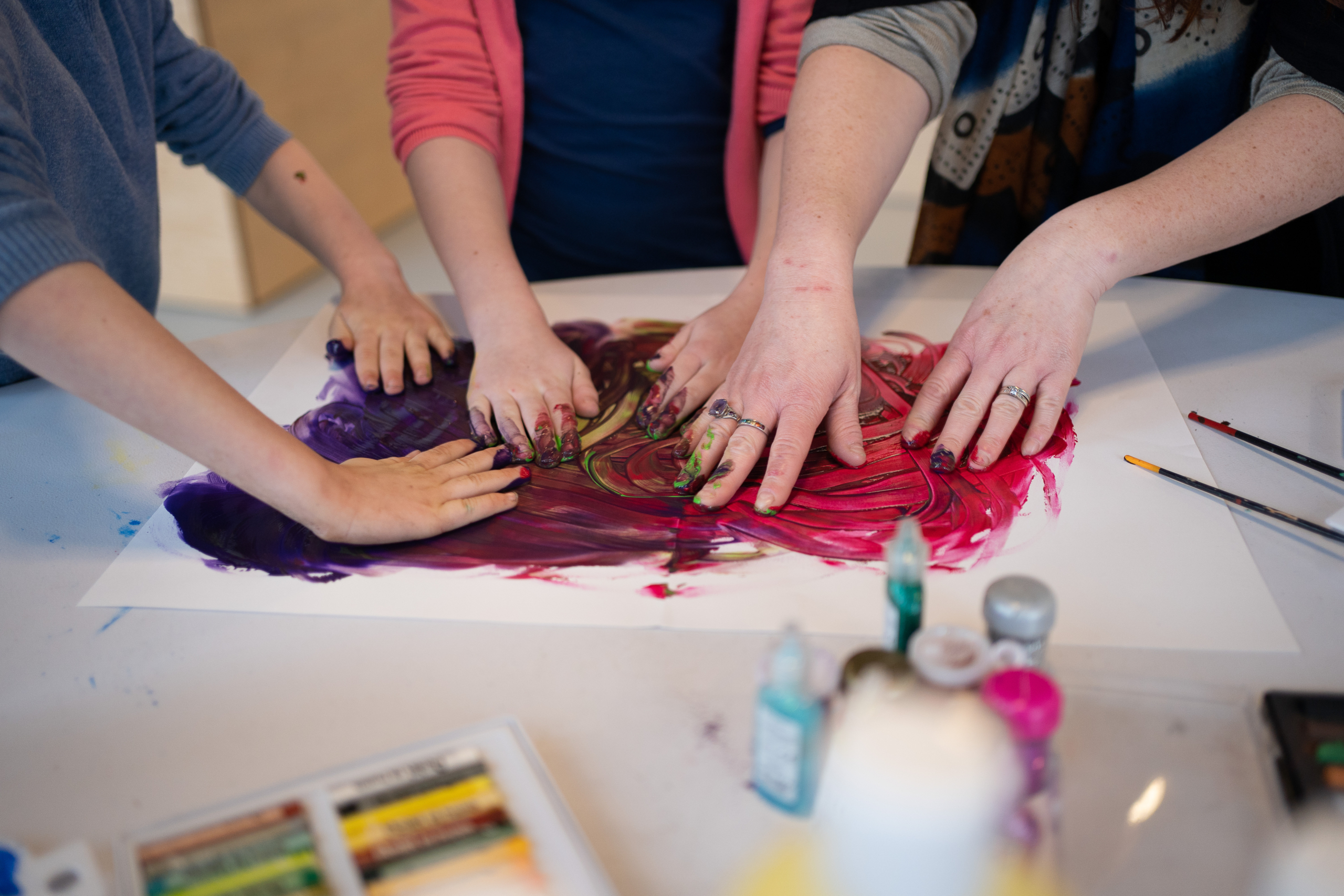
Victoria adapts the way she works to each person: their age and stage of development, how they communicate, what they’re feeling, what’s happening in their family, and what feels comfortable. Sometimes people make things. Sometimes they draw, or talk, or move, or play. Sometimes they don’t use art at all.
The therapy is about the person, not the artwork.
What happens in a session
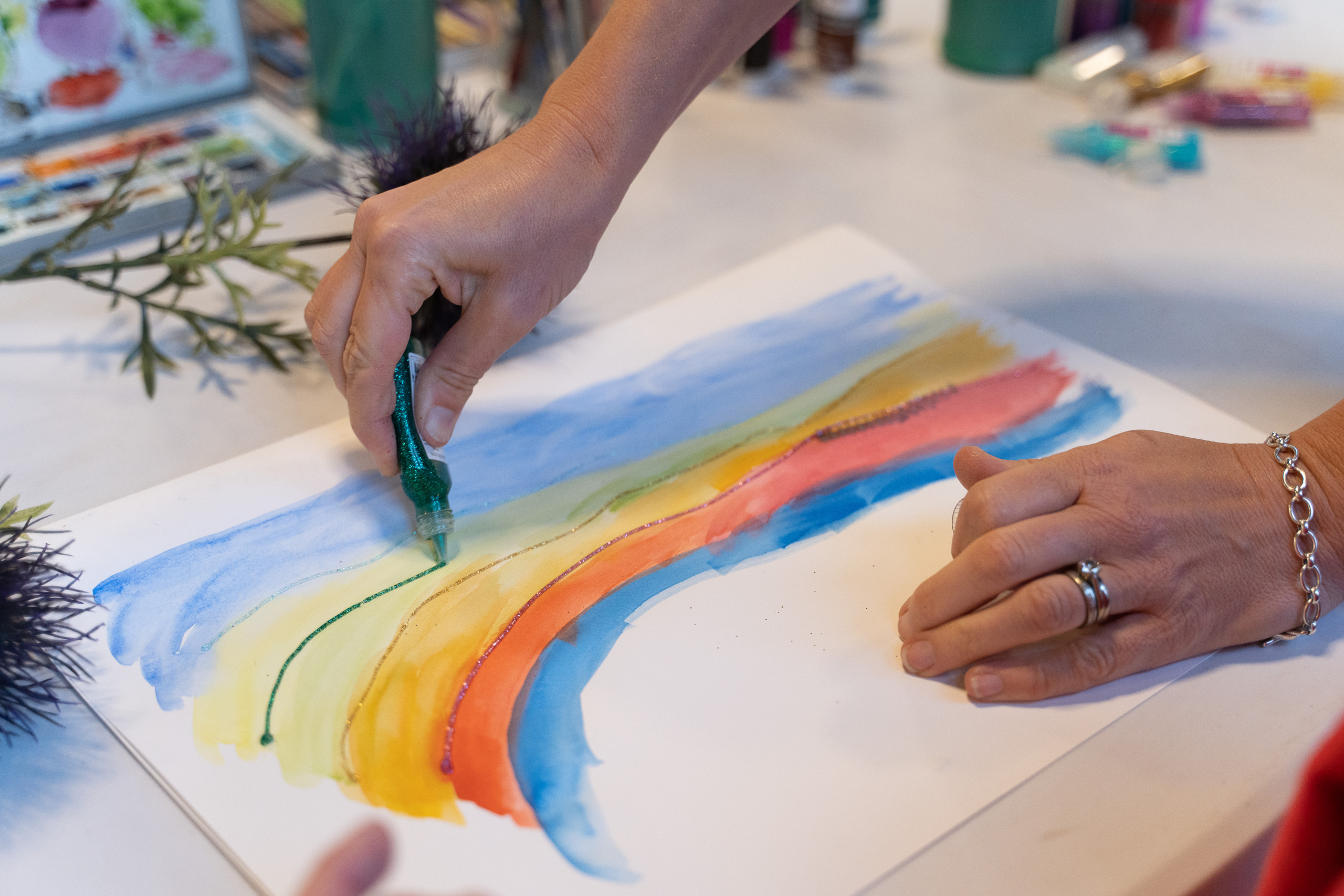
Sessions last around 50 minutes and can be weekly, fortnightly or monthly, on their own or in a group. Everything is provided: pens, pencils, paints, pastels, clay, collage materials and much more.
Each session has a beginning, where we check in on how things are; a middle, which is the creative part; and an end, where we look at what has been made and what it might say about your situation. It’s a chance to reflect on the past, the present and the future, and to take a sense of ease away with you.
How Victoria works
Her approach is person-centred, influenced by the psychologist Carl Rogers, who believed that a relationship with a therapist who is deeply understanding, accepting and genuine can be the basis for lasting change.
Art therapy is a form of psychotherapy, and Victoria is registered with the Health and Care Professions Council, which regulates the title “art therapist”.
Who art therapy can help
Art therapy can help people of any age and background. Victoria works with children and adults, on their own and in groups.
- Life-limiting illness
- Cancer
- End-of-life support
- Bereavement and loss
- Anxiety
- Depression
- Social and peer pressures
- Attachment difficulties
- Emotional and behavioural difficulties
- Communication difficulties
- Autism and ADHD
- Trauma
- Changes in family structure
You don’t have to know exactly what you need. Let’s talk.